
By Danei Edelen
Charles wasn’t the first person to speak up when entering a room, but often times he was the last to leave, ensuring everyone had a listening ear. One of the things I love about being a NAMI presenter, is that you get to hear the other presenters’ stories. When Charles and I presented together, I learned he had struggled with suicidal thoughts since his teens. It wasn’t until he was married with two children that his mental illness first brought him to his knees. For even a warrior like Charles, it took homelessness to get him to admit he needed help.
Meet Charles
Over the last few years, however, Charles had made a remarkable recovery. When I met Charles, he was a presenter, working part-time as a Peer Support Specialist, teaching regularly at the NAMI Peer-to-Peer class, and voluntarily leading a group on the psyche ward at a local hospital. Soon after, he got engaged. At a subsequent NAMI meeting together, Charles pulled me aside to compliment me on being a gifted presenter. “What a humble man”, I thought, “willing to encourage someone else where he believes they have potential.” I never realized what pain he had behind those kind words.
During one of the Peer-to-Peer classes, we were discussing hallucinations. I remember Charles telling us his story of being at training. When he went back to his hotel room, he began hearing loud Irish music (Charles said he had never listened to Irish music). When he went out in the hall to protest, his friends explained to him that there wasn’t any music playing. Something seemed awry.
Showing a brave face
While teaching the Peer-to-Peer class, Charles was battling symptoms related to a medication transition. He told us before class one night, he felt like climbing the walls. He had experienced more severe symptoms during previous days at home, too. “Charles go to the Emergency Room or at least call in sick from work tomorrow,” I said vehemently, knowing that bold action was needed. Charles responded quietly but in his equally steely, resolved voice, “There are people depending on me.”
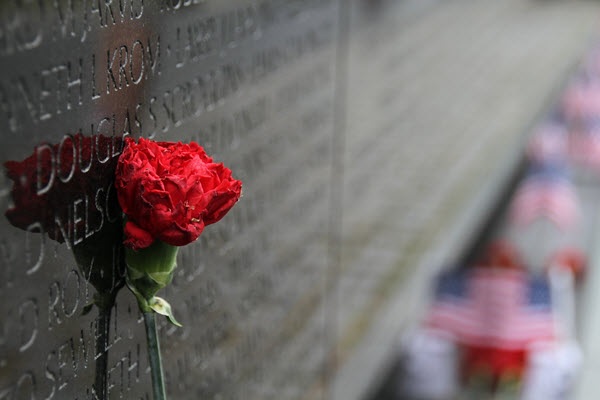
We honor you today, Charles.
Charles was killed by his mental illness. This does not negate the fact that Charles was a valiant warrior, a solder in the war against mental illness and stigma. Charles touched untold lives by his example. Like any valiant warrior cut down in battle, let us remember his life, heroism, and achievements in our common struggle. We honor you today, Charles.
 Mental Health Warrior